If your blood pressure reads 180/120 mm Hg or higher and you have chest pain, sudden severe headache, shortness of breath, vision changes, weakness, numbness, difficulty speaking, or altered mental status, call 911 immediately. Those symptoms signal a hypertensive emergency, meaning organs may already be under attack.
Here is how to read your situation right now:
- Very high reading + any symptom above → Call 911. Do not drive yourself. Do not wait to see if it passes.
- Very high reading (180/120+) with no symptoms → Sit, rest 5 minutes, re-measure. If still that high, contact your doctor or go to urgent care. This is hypertensive urgency, not necessarily a 911 situation.
- Moderately elevated reading (140–179 systolic) with no symptoms → Monitor and schedule a follow-up with your primary care provider within a day or two.
Never ignore stroke or heart attack warning signs regardless of what your monitor reads. A normal-looking number does not rule out a cardiac event.
Table of Contents
- What do blood pressure numbers actually mean?
- Hypertensive emergency vs. hypertensive urgency: why the difference matters
- What the ER will evaluate and do for very high blood pressure
- What to do right now if your blood pressure is high
- When to call 911 vs. go to urgent care vs. contact your primary care
- Why ER doctors are careful about how quickly blood pressure is lowered
- After the ER: follow-up steps and how to reduce future risk
- Key Takeaways
- The part most people get wrong about hypertensive emergencies
- Not sure if your symptoms need the ER? Peacehealthai can help you decide
- Authoritative sources and where to read more
What do blood pressure numbers actually mean?
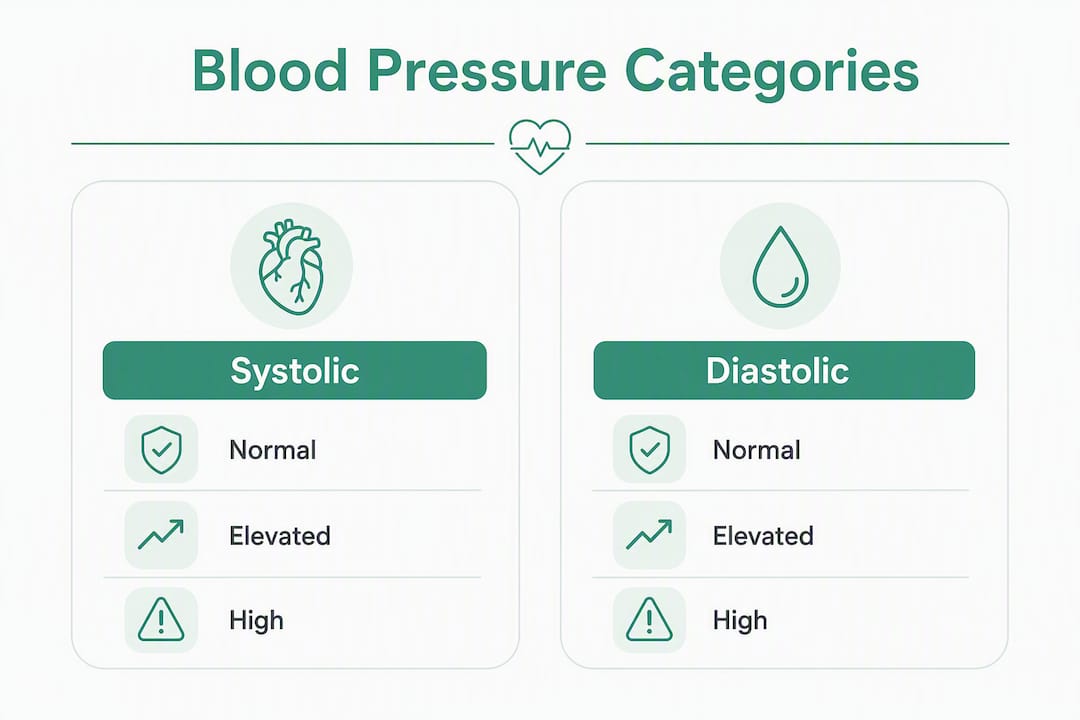
Blood pressure is expressed as two numbers: systolic (the pressure when your heart beats) over diastolic (the pressure between beats). Both matter. A systolic of 170 with a diastolic of 115 is more dangerous than 170/75, even though the top number is the same.
The American Heart Association defines the standard categories this way:
| Category | Systolic (mm Hg) | Diastolic (mm Hg) |
|---|---|---|
| Normal | Less than 120 | Less than 80 |
| Elevated | 120–128 | Less than 80 |
| Stage 1 hypertension | 130–139 | 80–85 |
| Stage 2 hypertension | 140 or higher | 90 or higher |
| Hypertensive crisis | Higher than 180 | Higher than 120 |
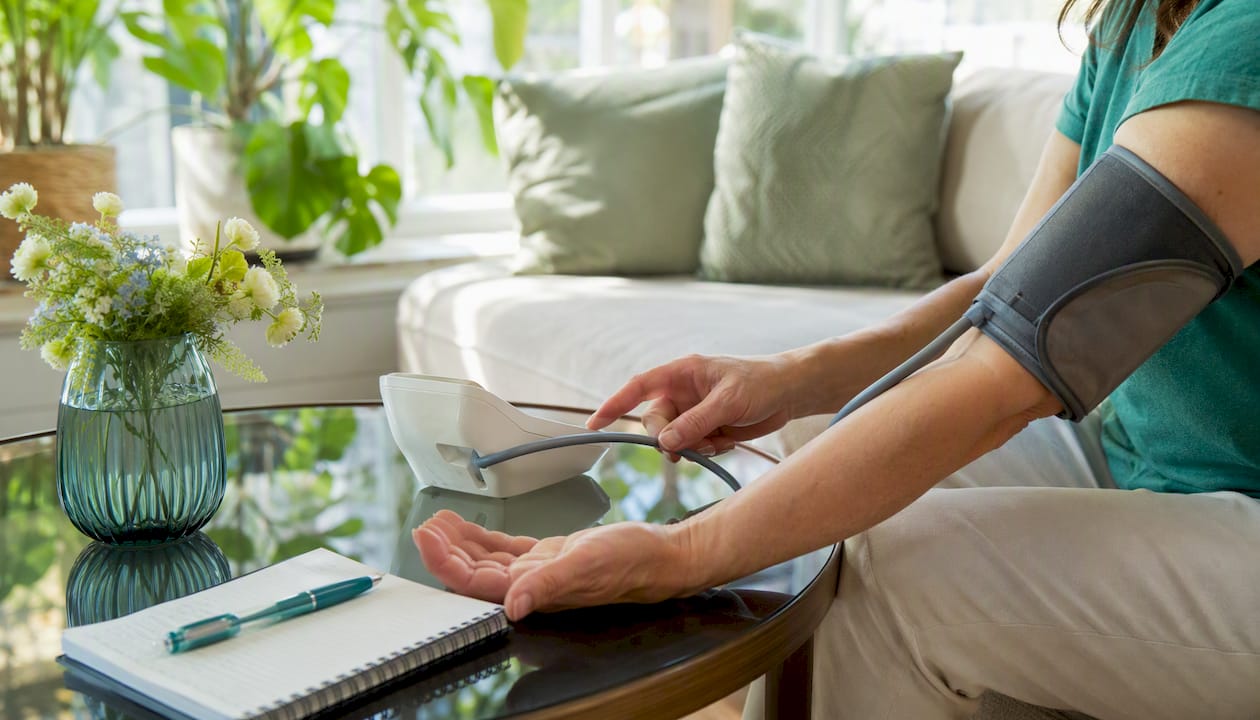
A single high home reading is not always cause for alarm. White-coat anxiety, caffeine, a full bladder, or a poorly fitting cuff can all push numbers up temporarily.
Before you panic, check your technique:
- Sit quietly for 5 minutes before measuring, feet flat on the floor.
- Rest your arm at heart level on a table, not hanging at your side.
- Use the correct cuff size — a cuff that is too small reads high.
- Take two readings, 1–2 minutes apart, and average them.
- If the number is still alarming, that is when the decision tree above applies.
Pro Tip: Keep a simple log of date, time, and both readings. Clinicians value a documented pattern far more than a single alarming number, and a home BP log can prevent an unnecessary ER trip or catch a real trend early.
Hypertensive emergency vs. hypertensive urgency: why the difference matters
These two terms get used interchangeably in casual conversation, but clinically they are completely different situations with different treatment paths.
Hypertensive emergency is very high blood pressure (typically above 180/120 mm Hg) plus objective evidence of new organ damage. The organs most at risk are the brain, heart, kidneys, eyes, and aorta. This is the situation that requires an ER, IV medications, and often ICU monitoring.
Hypertensive urgency (sometimes called severe hypertension without organ damage) is the same high reading without any signs of organ involvement. According to the Mayo Clinic, this category typically does not require IV therapy or ICU care and can often be managed with oral medication adjustments and close outpatient follow-up.
The 180/120 mm Hg threshold is the conventional alert level used by the AHA, Mayo Clinic, and NHLBI. Crossing it does not automatically mean you are in a life-threatening emergency. What tips the scale is whether organs are showing signs of damage.
Signs that suggest organ involvement:
- Chest pain or pressure (heart or aorta)
- Shortness of breath or pulmonary edema (heart/lungs)
- Severe, sudden-onset headache or confusion (brain)
- Sudden vision loss or blurring (eyes)
- Weakness, numbness, or difficulty speaking (stroke)
- Decreased urine output or blood in urine (kidneys)
- Tearing back or chest pain (aortic dissection)
Any one of these alongside a very high reading means hypertensive emergency. Call 911 and do not wait for a second opinion.
What the ER will evaluate and do for very high blood pressure
Arriving at the ER with a high blood pressure reading does not mean you will immediately receive IV medications. The first thing most emergency departments do is let you rest and re-check. University of Utah Health notes that many patients with a single very high reading will have substantially lower numbers after 30 minutes of rest in a calm environment.
Typical ER assessment includes:
- Repeated BP measurements in both arms
- Focused physical exam (neurological, cardiac, fundoscopic eye exam)
- EKG to check for cardiac involvement
- Chest X-ray
- Blood labs: basic metabolic panel, complete blood count, troponin
- Urinalysis to check for kidney damage
- CT or MRI if stroke or aortic dissection is suspected
| Situation | Likely ER response |
|---|---|
| High BP + organ damage confirmed | IV antihypertensives, ICU admission, continuous monitoring |
| High BP + symptoms but no confirmed damage | IV or oral meds, observation, possible admission |
| High BP, no symptoms, lower after rest | Oral med adjustment, discharge with follow-up within days |
| Isolated high reading, normal after rest | Education, outpatient referral, no medication change |
Treatment, when needed, ranges from adjusting your existing oral medications to starting IV antihypertensives for confirmed emergencies. The goal is not to hit a target number as fast as possible. Clinicians are deliberately measured about how quickly they bring pressure down, and the next section explains exactly why.
What to do right now if your blood pressure is high
Speed matters, but so does accuracy. Follow these steps before and while seeking care:
- Stop all activity. Sit down in a chair, feet flat on the floor. Do not lie down flat.
- Wait 5 minutes in silence. No phone, no conversation, no TV. Anxiety alone can add 10–20 points to a reading.
- Re-measure using correct technique (see the home-monitor tips above). Take two readings and note both.
- Take your prescribed BP medication if your doctor has given you standing instructions to do so for high readings. Do not take someone else's medication or double your dose without guidance.
- Call 911 if you have any organ-damage symptoms or if your reading remains above 180/120 after re-checking.
- Have someone else drive you if you decide to go to the ER but do not have symptoms severe enough for 911. Driving yourself while symptomatic is dangerous.
Pro Tip: If you wear a smartwatch that tracks heart rate, note whether your heart rate is unusually high or irregular alongside the BP reading. That combination is worth mentioning to the ER team immediately.
When to call 911 vs. go to urgent care vs. contact your primary care
The right level of care depends on your specific combination of numbers, symptoms, and risk factors.
Call 911 immediately if you have:
- BP above 180/120 with chest pain, shortness of breath, stroke signs, severe headache, vision loss, or confusion
- Suspected stroke (use FAST: Face drooping, Arm weakness, Speech difficulty, Time to call 911)
- Sudden tearing chest or back pain (possible aortic dissection)
- Altered mental status or loss of consciousness
Go to urgent care or contact your doctor same day if:
- BP is above 180/120 after re-checking but you have zero symptoms
- You recently missed doses of your BP medication and your reading is elevated
- You are pregnant with a high reading (preeclampsia risk makes this more urgent — call your OB)
- You used a stimulant (decongestants, certain supplements, cocaine) and your BP spiked
Schedule a follow-up within 1–2 days if:
- BP is in the 160–179 systolic range with no symptoms and you have a known hypertension diagnosis
- You have a single elevated home reading that came down on re-check
Common triggers for a hypertensive crisis include missed medications, abrupt discontinuation of BP drugs, kidney disease, certain drug interactions, and stimulant use. Knowing your trigger helps the ER team treat you faster.
If you cannot reach 911 or are in a rural area, go to the nearest emergency room or urgent care facility. Call your local emergency number (911 in the U.S.) from the road if symptoms worsen during transport.
Why ER doctors are careful about how quickly blood pressure is lowered
This surprises many patients: you arrive with dangerously high blood pressure, and the ER team does not immediately push it down to 120/80. That is not an oversight.
"Lowering blood pressure too quickly can cause organ hypoperfusion — reduced blood flow to organs that have adapted to function at chronically elevated pressures. Clinicians therefore balance the urgency of reducing pressure against the real risk of causing ischemic harm by dropping it too fast." — BMJ review on emergency BP management
The brain, kidneys, and heart autoregulate blood flow. In someone who has had high blood pressure for years, those organs have recalibrated to expect higher pressures. Drop the pressure too fast, and blood flow to those organs can actually fall below what they need, causing a stroke or kidney injury in the process of trying to prevent one.
When rapid lowering IS indicated:
- Active aortic dissection
- Hypertensive encephalopathy with ongoing neurological deterioration
- Acute pulmonary edema with respiratory failure
- Eclampsia in pregnancy
When gradual control is safer:
- Asymptomatic severe hypertension (urgency, not emergency)
- Stable patients with chronically elevated BP and no new organ damage
- Patients whose BP drops significantly with rest alone
The AHA's guidance cautions against aggressive ED lowering for asymptomatic high readings, noting that it may cause harm in patients whose bodies have adapted to higher baseline pressures. The ER goal is preventing ongoing damage, not chasing a number.
After the ER: follow-up steps and how to reduce future risk
Leaving the ER is not the end of the process. What you do in the next week matters as much as the visit itself.
Your post-ER checklist:
- Fill any new or adjusted prescriptions the same day you are discharged.
- Schedule a primary care or hypertension clinic appointment within one week, especially if your medications were changed.
- Start a home BP log: morning and evening readings, same arm, same time each day. Bring it to your follow-up.
- Ask the discharging physician which symptoms should send you back to the ER immediately.
Lifestyle steps that lower future risk:
- Reduce sodium intake to under 2,300 mg per day (the CDC recommends this as a baseline).
- Limit alcohol to no more than one drink per day for women, two for men.
- Stop stimulants: decongestants, energy drinks, and illicit stimulants can all spike BP acutely.
- Aim for 30 minutes of moderate aerobic activity most days of the week.
- If you smoke, stopping is one of the highest-impact changes you can make for cardiovascular risk.
A daily health check-in routine that takes under a minute can help you catch rising trends before they become emergencies.
On costs: ER visits for hypertensive crises can be expensive. If you are uninsured or underinsured, ask the hospital's financial counselor about charity care programs before you leave. Many hospitals are required to offer financial assistance and will not advertise it unless you ask.
Key Takeaways
A hypertensive emergency requires 911 when BP exceeds 180/120 mm Hg with organ-damage symptoms; without symptoms, re-measure, then contact your doctor or urgent care rather than defaulting to the ER.
| Point | Details |
|---|---|
| 911 threshold | BP above 180/120 with chest pain, stroke signs, vision loss, or confusion requires an immediate 911 call. |
| Urgency vs. emergency | No organ-damage symptoms at 180/120+ means hypertensive urgency; contact your doctor, not necessarily 911. |
| ER approach | Clinicians avoid rapid BP drops to prevent hypoperfusion; expect rest, re-checks, and staged treatment. |
| Follow-up matters | Schedule a primary care visit within one week of any ER discharge for high blood pressure. |
| Peacehealthai | For nonemergency symptom triage, Peacehealthai's AI symptom checker helps you decide your next step before a crisis develops. |
The part most people get wrong about hypertensive emergencies
The conventional wisdom is: high blood pressure is dangerous, so any very high reading is an emergency. That framing sends thousands of people to the ER unnecessarily every year, and it also creates a false sense of security in people who feel fine but are quietly accumulating organ damage over months.
The real risk is not a single alarming number. It is the combination of a very high reading and symptoms that point to organ involvement. A reading of 190/115 in someone who is calm, asymptomatic, and whose pressure drops to 160/100 after 10 minutes of rest is a different clinical picture than 185/110 in someone with a sudden splitting headache and blurred vision.
What gets underestimated is the value of a documented home BP pattern. Clinicians consistently say they would rather see three weeks of twice-daily readings than one terrifying number taken in a moment of panic. That log tells them whether this is a chronic control problem or a genuine acute event. Patients who show up with that data get faster, more targeted care.
The other thing worth saying plainly: if you are ever in doubt, err on the side of calling 911. The cost of an unnecessary ER visit is real, but it is not comparable to the cost of waiting through a stroke.
Not sure if your symptoms need the ER? Peacehealthai can help you decide
When your reading is high but you are not sure whether it crosses into emergency territory, Peacehealthai's AI symptom checker gives you a fast, structured way to think through your symptoms and get a clear recommendation on your next step.
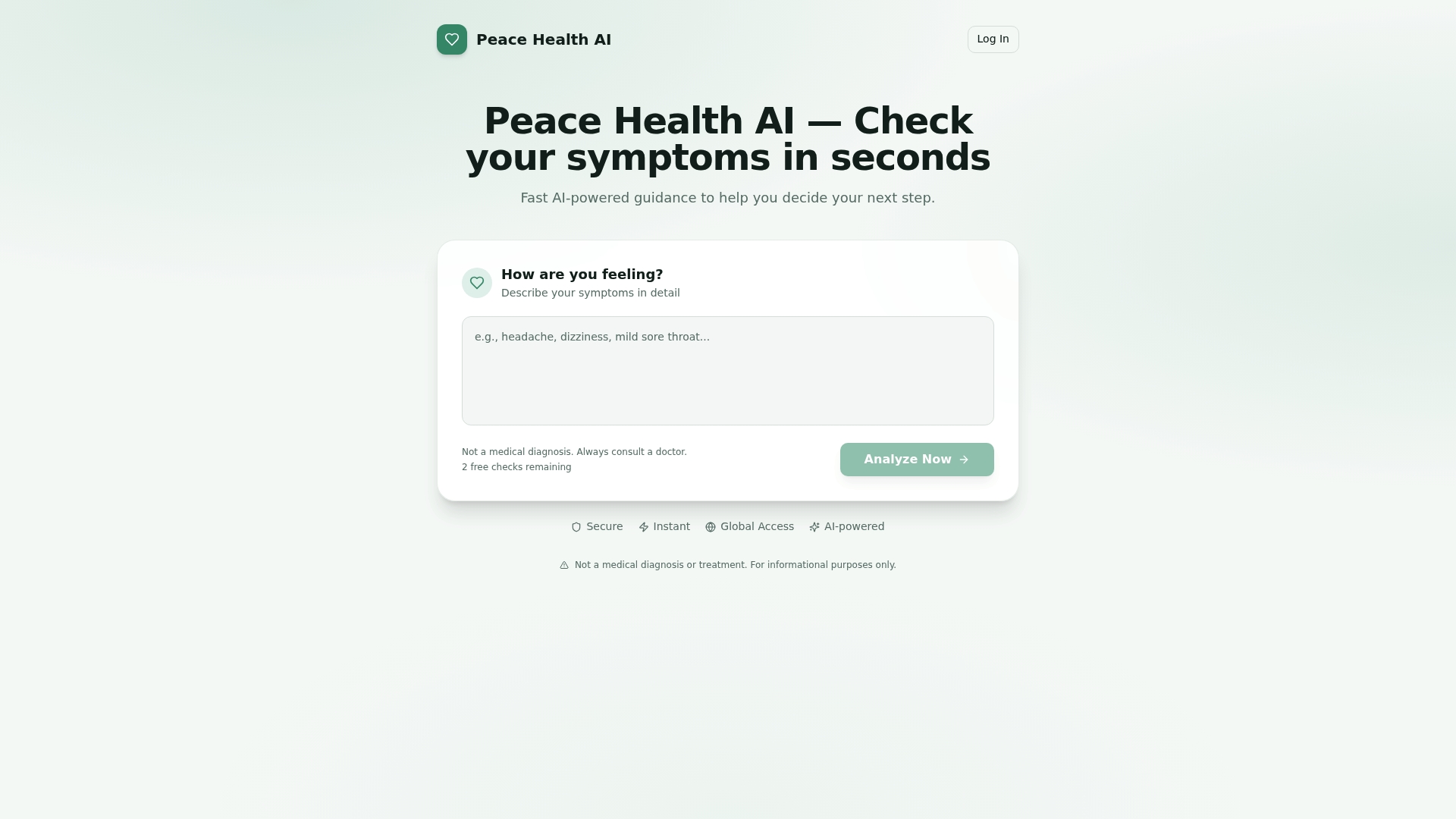
You describe what you are experiencing, and the tool walks you through the relevant questions, flags combinations that warrant urgent care, and tells you plainly when to call 911 instead. It is built for exactly the situation where you are anxious, unsure, and need a clear answer without waiting on hold.
One hard rule: if you have chest pain, stroke signs, severe shortness of breath, or altered mental status right now, close this tab and call 911. No symptom checker replaces emergency services for an active crisis.
For everything else, including monitoring ongoing symptoms, tracking patterns, and deciding whether a reading warrants a same-day call to your doctor, start a free check at Peacehealthai. Subscription tiers add features like symptom history tracking, early alerts for repeated patterns, and AI health coaching if you want ongoing support beyond a single check.
This article is for general informational purposes only and does not constitute medical advice. Always consult a qualified healthcare professional or call 911 for guidance specific to your situation.
Authoritative sources and where to read more
The following organizations publish the clinical standards behind everything covered in this article. Bring your medication list and home BP log to any follow-up appointment.
- StatPearls — Hypertensive Crisis (NCBI Bookshelf): Detailed clinical review of hypertensive crisis classification, pathophysiology, and management protocols used by emergency physicians.
- American Heart Association — When to Call 911 for High Blood Pressure: — Patient-facing guidance on emergency thresholds and what constitutes a hypertensive crisis.
- Mayo Clinic — Hypertensive Crisis: — Clear explanation of the emergency vs. urgency distinction and treatment implications.
- NHLBI — High Blood Pressure Symptoms: — National Heart, Lung, and Blood Institute guidance on symptoms and when to seek care.
- CDC — High Blood Pressure: Population-level data, prevention guidance, and lifestyle recommendations.