When should you go to the ER for shortness of breath?
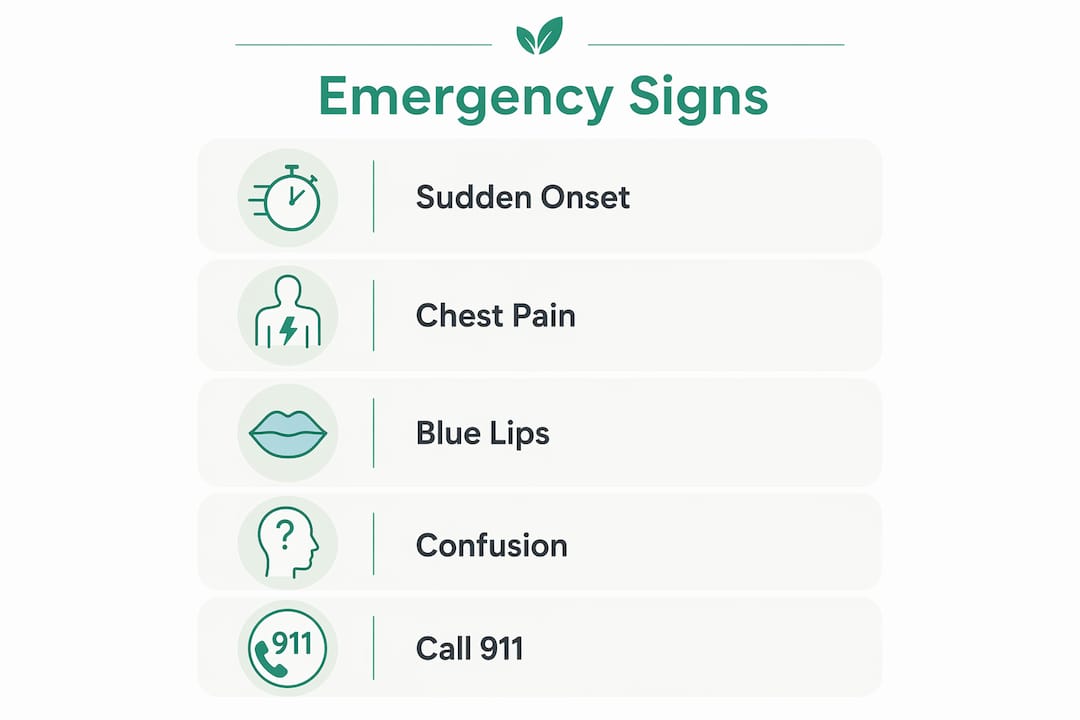
Call 911 or get to an emergency room immediately if your breathing problems come on suddenly and severely, or if they arrive alongside any of the following warning signs. These combinations point to potentially life-threatening conditions like a heart attack or pulmonary embolism, where minutes genuinely matter.
Go to the ER right now if you have:
- Sudden, severe shortness of breath with no obvious explanation
- Chest pain, pressure, or tightness alongside breathing difficulty
- Fainting, near-fainting, or a sudden change in mental alertness
- Blue or grayish tint to your lips, fingertips, or nails
- Nausea or cold sweats combined with breathing trouble
- New breathing difficulty after prolonged bed rest, recent surgery, or a long flight or car trip
That last point catches many people off guard. New onset breathlessness after sitting still for hours, whether recovering from an injury or stepping off a transatlantic flight, can signal a pulmonary embolism, a blood clot in the lungs that cuts off oxygen supply.
One more thing worth knowing: a cardiac event does not always announce itself with crushing chest pain. Emergency physicians stress that a heart attack can present with breathlessness as the primary or even sole symptom, especially in older adults and people with diabetes. If your gut says something is wrong, trust it and call 911.

Pro Tip: Do not drive yourself to the ER if you are experiencing severe breathing difficulty. Call 911 so paramedics can begin assessment and treatment before you even arrive.
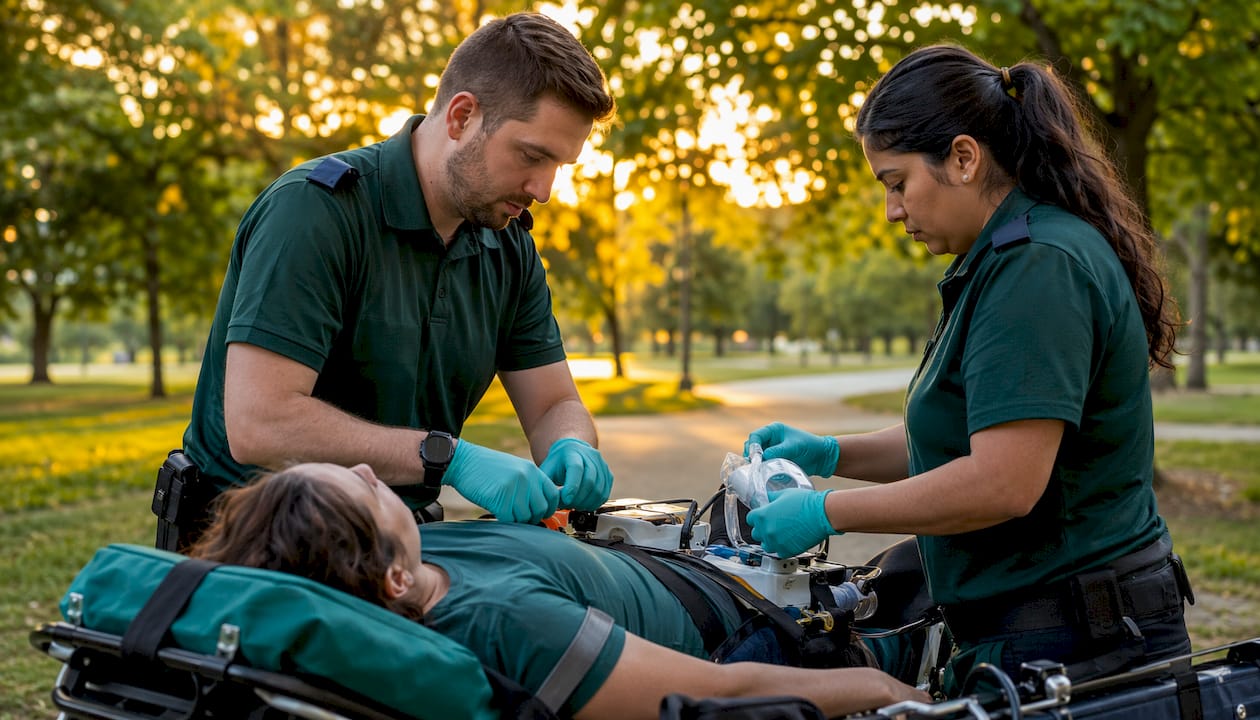
Signs that warrant a doctor's appointment, not the ER
Not every breathing problem is a 911 call. Some symptoms are serious enough to need prompt medical attention but do not require an ambulance ride. Schedule an appointment with your doctor soon, ideally within a day or two, if you notice any of these:
- Swelling in your feet or ankles alongside breathing difficulty
- Trouble breathing when you lie flat, but relief when you sit up
- Persistent fever, chills, and a cough that is not improving
- A wheezing sound when you breathe
- Breathing problems that have been slowly getting worse over weeks
These patterns often point to conditions like worsening heart failure, a developing lung infection, or poorly controlled asthma or COPD. None of those are emergencies in the same way a pulmonary embolism is, but leaving them unaddressed lets them become one. If you are unsure whether your symptoms cross the line into emergency territory, a tool like Peacehealthai can help you assess what you are experiencing and decide whether to head to the ER or call your doctor.
What actually causes shortness of breath?
Shortness of breath, clinically called dyspnea, is a symptom rather than a disease. Dyspnea can stem from cardiac, pulmonary, neuromuscular, or systemic origins, which is exactly why the same sensation can mean something minor in one person and life-threatening in another.
The most common causes fall into a few broad categories:
- Cardiac: heart attack, heart failure, arrhythmia, cardiac tamponade
- Pulmonary: asthma, COPD, pneumonia, pulmonary embolism, pneumothorax
- Systemic: anemia (low red blood cell count reduces oxygen delivery), severe allergic reaction
- Psychological: anxiety and panic attacks, which can produce genuine physical breathing difficulty
Acute dyspnea, meaning symptoms that develop over hours, points toward conditions like asthma exacerbation, pulmonary embolism, or acute heart failure. Chronic dyspnea that builds over weeks or months more often reflects COPD, interstitial lung disease, or progressive cardiac dysfunction. The distinction matters because it shapes both the urgency and the type of evaluation you need.
For people managing anxiety-related breathing difficulties, breathwork techniques can reduce the intensity of an episode while you determine whether the cause is psychological or physical. That said, never assume breathlessness is "just anxiety" without ruling out a physical cause first.
How emergency physicians actually evaluate breathing problems
Shortness of breath in the ER is never treated as routine. Patients presenting with respiratory distress are triaged as high priority immediately, bypassing the standard wait. Medical staff begin rapid assessment the moment you walk in.
Here is what that assessment typically looks like:
- Vital signs and oxygen saturation: A pulse oximeter reading below 90% SpO2 signals critical oxygen deprivation. Heart rate above 120 bpm and respiratory rate above 30 breaths per minute both indicate significant distress.
- Physical exam: Physicians listen for wheezing, crackles, or absent breath sounds, and check for signs like jugular vein distension or leg swelling that point toward a cardiac cause.
- Mental status check: Confusion or altered alertness alongside breathing difficulty is a red flag for severe hypoxia.
Diagnostics follow quickly. A chest X-ray checks for pneumonia, fluid buildup, or a collapsed lung. Blood work typically includes a complete blood count, metabolic panel, and cardiac markers like BNP and troponin to rule out heart failure or a heart attack. When a pulmonary embolism is suspected, physicians use structured decision tools like the PERC rule or Wells score to determine whether imaging, such as a CT pulmonary angiogram, is warranted.
Treatment is targeted to the underlying cause. Bronchospasm gets nebulized albuterol or ipratropium; heart failure gets diuretics to clear fluid from the lungs; anaphylaxis gets immediate epinephrine. In severe cases where breathing muscles are failing, noninvasive ventilation like BiPAP reduces the work of breathing while the team addresses the root problem.
If you are dealing with breathing difficulty at night and wondering whether your symptoms need attention, understanding how sleep position and airway mechanics affect nighttime breathing can help you describe your symptoms more clearly to a physician.
Key Takeaways
Severe or sudden shortness of breath with accompanying symptoms like chest pain, blue lips, or confusion always requires an immediate ER visit, not a wait-and-see approach.
| Point | Details |
|---|---|
| Call 911 for these symptoms | Sudden severe breathlessness, chest pain, blue lips, fainting, or confusion all require immediate emergency care. |
| Post-travel breathlessness is an emergency | New breathing difficulty after prolonged inactivity or long travel may indicate a pulmonary embolism. |
| Heart attacks can skip chest pain | Breathlessness alone, especially in older adults or diabetics, can be the primary sign of a cardiac event. |
| ER triage is immediate | Patients with respiratory distress are not placed in a standard queue; rapid assessment begins on arrival. |
| Treatment targets the root cause | ER care ranges from nebulizers for bronchospasm to BiPAP for severe respiratory failure, based on diagnosis. |
Peacehealthai's AI symptom checker lets you enter your exact symptoms and get instant guidance on whether your situation calls for the ER, an urgent care visit, or a scheduled appointment. When breathing feels wrong and you are not sure what to do next, that kind of fast, clear answer can make a real difference.