
The most common early signs of diabetes are increased thirst, frequent urination, extreme hunger, unexplained fatigue, blurred vision, slow-healing sores, and recurring infections. According to the CDC, these symptoms reflect the body's inability to regulate blood glucose properly. If you recognize several of these, schedule a primary care appointment for an A1C or fasting glucose test. If you or someone nearby is experiencing trouble breathing, fruity-smelling breath, severe vomiting, or confusion alongside high blood sugar, call 911 or go to the nearest emergency room immediately.
The American Diabetes Association recommends screening starting at age 35 for adults with overweight or obesity, and earlier if additional risk factors are present. Symptoms alone cannot confirm a diagnosis. Lab testing does.
Early signs of diabetes at a glance:
- Urinating more than usual, including at night
- Feeling thirsty even after drinking fluids
- Hunger that persists after eating
- Unexplained fatigue or low energy
- Blurred vision
- Cuts or sores that heal slowly
- More frequent skin, urinary, or yeast infections
- Unexplained weight loss (more common in type 1)
- Tingling or numbness in hands or feet
Key Takeaways
Catching diabetes early, before complications develop, requires recognizing subtle symptoms and acting on risk factors rather than waiting for obvious signs.
| Point | Details |
|---|---|
| Core early symptoms | Increased thirst, frequent urination, fatigue, blurred vision, and slow-healing sores are the most common early warning signs. |
| Testing thresholds | A1C of —, or fasting glucose of —, confirms a diabetes diagnosis; prediabetes starts at 5.7% and 100 mg/dL respectively. |
| Prediabetes is silent | Most people with prediabetes have no symptoms; a blood test is the only reliable way to detect it, and lifestyle changes can delay progression. |
| Emergency red flags | Fruity breath, rapid breathing, vomiting, or confusion alongside high blood sugar require a 911 call, not a wait-and-see approach. |
| Peacehealthai | The AI symptom checker helps you organize symptoms, flag urgent patterns, and prepare for a clinical visit before your appointment. |
Table of Contents
- What do the early signs of diabetes actually feel like?
- How do symptoms differ across diabetes types?
- How is diabetes diagnosed? Understanding A1C, fasting glucose, and OGTT
- Who should be screened, and what raises your risk?
- When to call 911: urgent red flags for DKA and hyperosmolar states
- Why early detection matters: what happens before symptoms appear
- What to do next: tracking symptoms and preparing for your appointment
- Myths about early diabetes symptoms that delay diagnosis
- The typical timeline from symptom onset to diagnosis
- Peace Health AI's perspective on recognizing early diabetes signs
- Peacehealthai symptom checker: a practical next step
- Sources
What do the early signs of diabetes actually feel like?
Each symptom has a specific physiological cause, and understanding it makes the sign harder to dismiss as "just stress" or "getting older."
Frequent urination and increased thirst go hand in hand. When blood glucose rises above the kidneys' reabsorption threshold, excess sugar spills into urine, pulling water with it. The result is more trips to the bathroom and a persistent dry thirst that fluids don't fully relieve. Many people first notice this at night.
Extreme hunger occurs because cells can't absorb glucose efficiently without adequate insulin. Even after a full meal, the body signals starvation. This is the classic triad that the Merck Manual describes as polyuria, polydipsia, and polyphagia.
Fatigue is one of the most commonly overlooked early indicators. Cells deprived of glucose can't produce energy efficiently, so even routine activity, a short walk or a normal workday, can feel exhausting.

Blurred vision happens when high blood sugar draws fluid into the lens of the eye, temporarily changing its shape. This is reversible with treatment, but it's often mistaken for needing a new glasses prescription. Mayo Clinic notes that symptom severity tracks closely with how elevated blood sugar actually is.
Slow-healing sores and frequent infections reflect impaired immune function and reduced circulation. High glucose creates an environment where bacteria and fungi thrive, which is why yeast infections and urinary tract infections recur more often.

Numbness or tingling in the hands and feet signals early nerve involvement. This can appear before a formal diagnosis, particularly in type 2 diabetes that has been progressing silently.
In children, type 1 symptoms tend to appear suddenly and intensely. Adults with type 2 often experience a gradual, quieter onset where individual symptoms are easy to rationalize away. Gestational diabetes typically produces no noticeable symptoms at all, which is why routine screening during pregnancy matters.
Pro Tip: Keep a simple log for one week: note how often you urinate at night, whether thirst feels unusual, and your energy level after meals. That pattern is far more useful to a clinician than a vague "I've been tired lately."
How do symptoms differ across diabetes types?
Not all diabetes presents the same way, and the differences in onset speed are clinically significant.
Type 1 diabetes tends to arrive fast. Symptoms can escalate from mild to severe within days or weeks, sometimes culminating in diabetic ketoacidosis (DKA) before a diagnosis is even made. The NIDDK confirms that type 1 symptoms typically develop rapidly, while type 2 symptoms often progress so slowly that people attribute them to aging or other causes.
Type 2 diabetes is the opposite. Blood sugar can be elevated for months or years before any symptom becomes noticeable. By the time someone seeks care for blurred vision or a slow-healing wound, organ-level changes may already be underway.
Prediabetes is largely silent. Most people have no symptoms at all. The one physical sign worth knowing is acanthosis nigricans, a darkening and thickening of skin in body folds like the neck, armpits, or groin. It reflects insulin resistance and is visible before any lab result confirms a problem. MedlinePlus notes that blood tests, not symptoms, are the primary way to identify prediabetes.
Gestational diabetes almost never produces symptoms. It is caught through routine screening between weeks 24 and 28 of pregnancy using an oral glucose tolerance test.
Symptoms alone cannot distinguish between diabetes types. A person with rapid-onset symptoms may have type 1 or a severe type 2 presentation. Lab testing is the only way to confirm which type is present and how far glucose dysregulation has progressed.
Because symptoms overlap considerably across types, no one should self-diagnose based on how their symptoms feel. The pattern of onset and the lab numbers together tell the full story.
How is diabetes diagnosed? Understanding A1C, fasting glucose, and OGTT
Three tests are used to diagnose diabetes and prediabetes. Each measures blood glucose differently, and each has a specific use case.
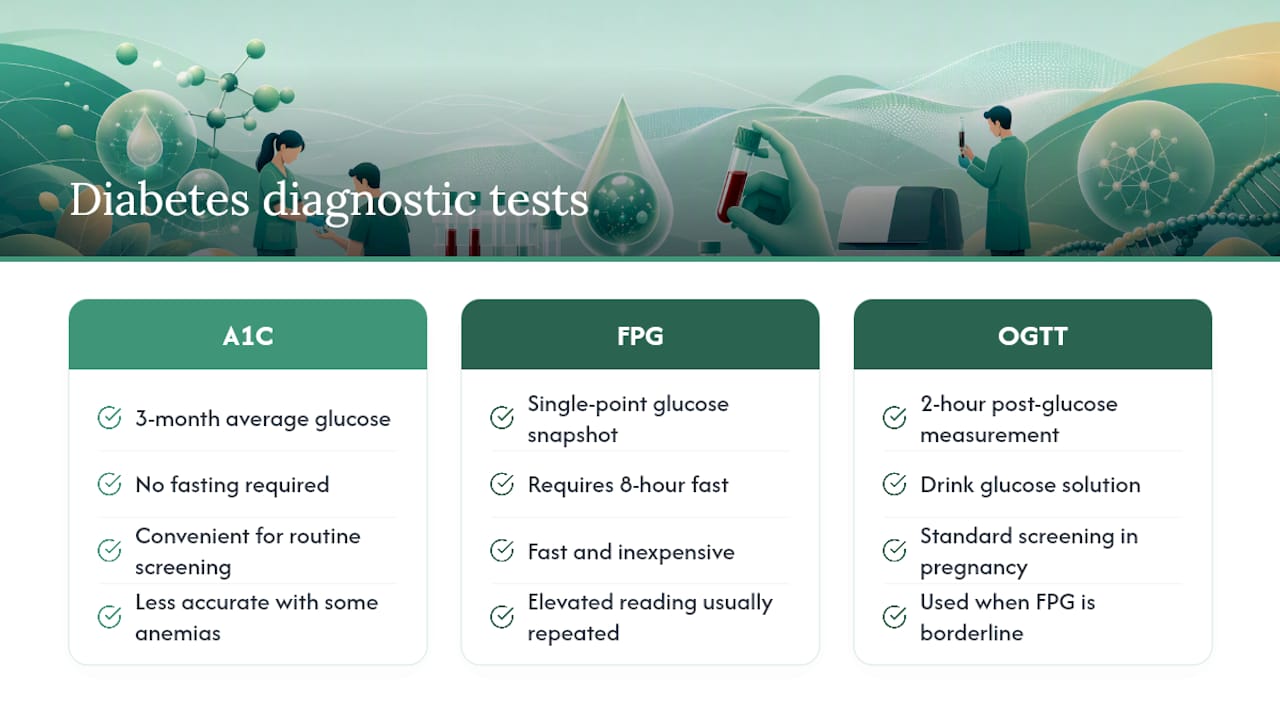
Thresholds sourced from MedlinePlus prediabetes guidance.
The A1C reflects average blood glucose over roughly three months. No fasting is required, which makes it convenient for routine screening. It can be less accurate in people with certain anemias or hemoglobin variants.
The fasting plasma glucose test requires an eight-hour fast and gives a snapshot of blood sugar at a single point in time. It's fast and inexpensive, but one elevated reading is usually repeated on a separate day to confirm.
The oral glucose tolerance test (OGTT) involves drinking a glucose solution and measuring blood sugar two hours later. It's the standard screening tool during pregnancy and is also used when FPG results fall in a borderline range.
A single abnormal result is typically confirmed with a second test before a diagnosis is made, unless the clinical picture is unambiguous, such as a glucose reading above 200 mg/dL with clear symptoms or a DKA presentation.
Who should be screened, and what raises your risk?
Risk factors for type 2 diabetes and prediabetes are well established. Knowing yours determines how soon and how often you should be tested.
Major risk factors include:
- Age 35 or older
- Overweight or obesity (BMI of 25 or higher; 23 or higher in Asian Americans)
- Family history of type 2 diabetes in a first-degree relative
- History of gestational diabetes or delivering a baby over 9 pounds
- Prediabetes on a previous test
- Physical inactivity
- High blood pressure or abnormal cholesterol levels
- Polycystic ovary syndrome (PCOS)
- Racial or ethnic background: Black, Hispanic/Latino, American Indian, Alaska Native, Asian American, and Pacific Islander adults face higher risk
The NIDDK notes that insulin resistance, which often precedes type 2 diabetes by years, is more common with age, weight gain, and certain racial and ethnic backgrounds, and that many people with insulin resistance have no symptoms at all.
For adults without risk factors, screening typically begins at age 35 and repeats every three years if results are normal. With one or more risk factors, or with any of the symptoms listed above, testing should start earlier and repeat more frequently. Your clinician can advise the right cadence based on your specific profile.
When to call 911: urgent red flags for DKA and hyperosmolar states
Some presentations of diabetes are medical emergencies. Diabetic ketoacidosis (DKA) occurs most often in type 1 diabetes when the body breaks down fat for fuel and produces dangerous levels of ketones. Hyperosmolar hyperglycemic state (HHS) tends to occur in type 2 and involves extremely high blood sugar without significant ketone buildup.
Call 911 or go to the ER immediately if you notice:
- Rapid or labored breathing
- Fruity or acetone-like smell on the breath
- Severe nausea, vomiting, or abdominal pain
- Confusion, disorientation, or difficulty staying awake
- Fainting or loss of consciousness
- Signs of severe dehydration: sunken eyes, dry mouth, no urination for hours
- Extreme lethargy in a child with new or known diabetes
These symptoms can develop quickly, particularly in someone newly diagnosed with type 1 or in anyone with a very high glucose reading who has been vomiting and unable to keep fluids down. For immediate guidance on urgent symptoms, including when to act fast, do not wait to see if things improve. Get emergency care.
Why early detection matters: what happens before symptoms appear
The most dangerous aspect of type 2 diabetes is not how it feels. It's how long it doesn't feel like anything.
NIDDK research confirms that many people live with diabetes for years without symptoms, only receiving a diagnosis after a routine blood test or after a complication, such as neuropathy or vision loss, has already developed. Organ damage to the eyes, kidneys, and nerves can begin while blood sugar is only modestly elevated, well before any symptom crosses the threshold of concern.
Complications like diabetic retinopathy and early kidney disease can be present for years before a person feels anything. By the time symptoms appear, the window for preventing those complications may already have closed.
Mayo Clinic emphasizes that early diagnosis meaningfully reduces the risk of long-term complications. The gap between when damage begins and when symptoms appear is exactly why screening based on risk factors, not symptoms alone, is the standard of care.
For prediabetes, the evidence is encouraging. Harvard Health and MedlinePlus both document that modest lifestyle changes, including modest weight loss and regular moderate physical activity can delay or prevent progression to type 2 diabetes, can delay or prevent progression to type 2 diabetes. That window of opportunity only exists if prediabetes is caught.
What to do next: tracking symptoms and preparing for your appointment
If any of the symptoms above apply to you, the next step is straightforward: contact your primary care provider and ask for diabetes screening. Here's how to make that appointment count.
Before your visit, track and note:
- When symptoms started and how often they occur (e.g., waking twice a night to urinate)
- Any recent unexplained weight change
- Frequency of infections, especially skin, urinary, or yeast
- Family history of diabetes or heart disease
- Current medications, including steroids or antipsychotics, which can affect blood sugar
- Your typical diet and activity level
At the appointment, ask:
- Which test do you recommend and why?
- Do I need to fast before the test?
- What result would prompt immediate follow-up?
- If I have prediabetes, am I eligible for the National Diabetes Prevention Program?
The A1C test requires no fasting. The fasting plasma glucose test requires an eight-hour fast. Knowing which test your provider orders helps you prepare correctly.
Short-term prevention steps worth discussing now: modest weight loss, a reduction in refined carbohydrates and sugary drinks, and 30 minutes of brisk walking most days. These changes are not dramatic, but the evidence behind them is solid.
Pro Tip: If your provider orders a fasting glucose test, schedule it for first thing in the morning. You'll have already fasted overnight, and you won't spend the day hungry before the draw.
Myths about early diabetes symptoms that delay diagnosis
Several widespread misconceptions cause people to dismiss symptoms or delay testing for months or years.
"I'd know if I had diabetes." This is the most consequential myth. Type 2 diabetes can be entirely asymptomatic for years. The absence of dramatic symptoms is not evidence of normal blood sugar.
"Only overweight people get diabetes." Weight is a significant risk factor, but people at a healthy BMI develop type 2 diabetes too, particularly those with a strong family history, certain ethnic backgrounds, or sedentary lifestyles.
"Frequent urination is just from drinking too much water." Increased fluid intake and increased urination together are a feedback loop driven by high blood sugar, not a cause-and-effect of drinking habits. The thirst comes first.
"Fatigue is just from poor sleep or stress." Fatigue is one of the most non-specific symptoms in medicine, which is exactly why it gets rationalized away. When it occurs alongside thirst, hunger, or blurred vision, the combination warrants a blood test.
"Prediabetes isn't real diabetes, so it doesn't need attention." Prediabetes is a clinical diagnosis with measurable thresholds and real consequences. Without intervention, a substantial portion of people with prediabetes progress to type 2 diabetes within five years.
The typical timeline from symptom onset to diagnosis
The gap between when diabetes begins and when it gets diagnosed varies dramatically by type.
Type 1 diabetes moves fast. Symptoms typically escalate over days to weeks, and many people with type 1 are diagnosed during or shortly after a DKA episode. The urgency of the presentation usually drives rapid diagnosis. Children and adolescents are sometimes diagnosed within days of symptom onset.
Type 2 diabetes follows a very different arc. Insulin resistance can develop silently over a decade before blood sugar crosses the diagnostic threshold. Once it does, symptoms may remain mild or absent for additional years. Diagnosis often comes through routine bloodwork ordered for an unrelated reason.
This timeline gap is why the NIDDK and CDC both recommend proactive screening for at-risk adults rather than waiting for symptoms to appear. By the time symptoms are obvious enough to prompt a visit, the disease has usually been present long enough for early complications to begin.
Peace Health AI's perspective on recognizing early diabetes signs
At Peace Health AI, we see a consistent pattern: people who arrive at a clinician's office with a documented symptom log, a clear timeline, and specific questions get faster, more targeted care than those who describe symptoms vaguely from memory. That's not a criticism of patients. It's a structural gap that better preparation closes.
Our symptom checker is built to help you bridge that gap. You describe what you're experiencing, and the tool helps you organize those signals, flag patterns that warrant urgent attention, and understand what questions to bring to your provider. It does not replace a clinician's judgment, and it does not diagnose. What it does is help you show up to that appointment with clarity instead of uncertainty.
*This article is for general informational purposes only and is not a substitute for professional medical evaluation. If you are concerned about your symptoms, consult a licensed healthcare provider.
Peacehealthai symptom checker: a practical next step
Recognizing symptoms is the first step. Knowing what to do with them is the second.
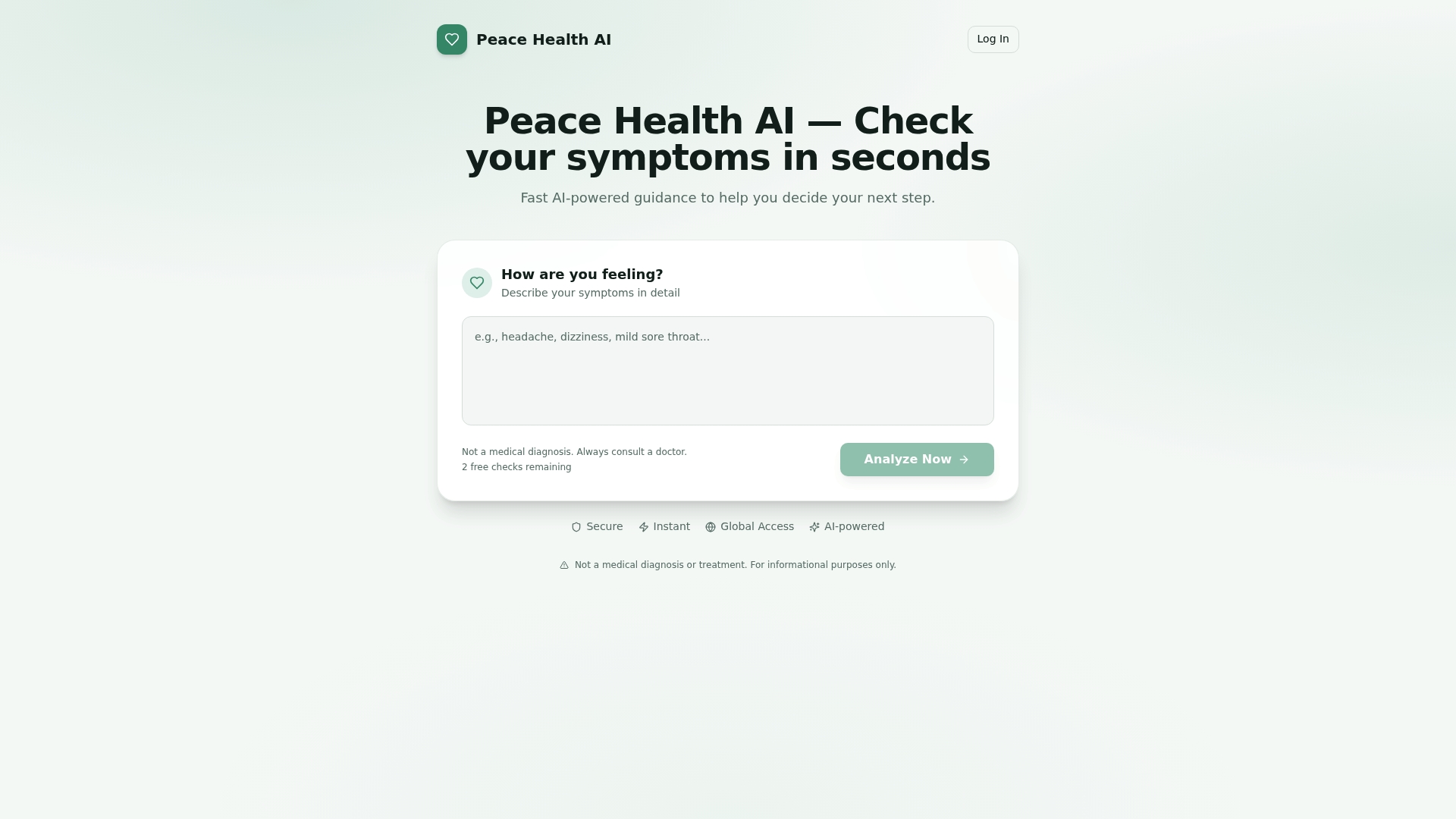
Peacehealthai's AI-powered symptom checker lets you describe your symptoms in plain language and receive instant, structured guidance on what those symptoms may indicate and what to do next. Whether you're tracking persistent thirst, unusual fatigue, or recurring infections, the tool helps you assess the pattern and prioritize your next move, including whether to schedule a routine test or seek care more urgently. Features include symptom history tracking, early alerts for repeated patterns, and an AI health chat for follow-up questions.
This is not a diagnostic tool, and it does not replace a clinician. Use it to prepare for your appointment, not to avoid one. Start with the symptom checker and bring your results to your provider.
Sources
- Symptoms of Diabetes | Diabetes | CDC
- Diabetes overview: Symptoms & causes - NIDDK
- Diabetes - Symptoms and causes - Mayo Clinic
- Prediabetes - MedlinePlus