Proper hydration is one of the most direct levers you have over your daily energy, focus, and long-term health. Water makes up roughly 60% of an adult's body weight, and every system in your body depends on it, from regulating temperature to transporting nutrients to flushing waste. The consequences of falling short are faster than most people expect.
Why hydration for health matters more than you think
Staying well hydrated is not just about quenching thirst. It directly shapes how your brain works, how your muscles perform, and how your organs hold up over time. Here is what adequate fluid intake actually does for you:
- Carries oxygen and nutrients to cells
- Regulates body temperature through sweat
- Cushions joints and protects organs
- Supports digestion and prevents constipation
- Maintains electrolyte balance for nerve and muscle function
- Flushes bacteria from the bladder, reducing infection risk
- Supports mood stability and mental clarity
The flip side is equally concrete. Mild dehydration of just 1–3% of body weight impairs working memory, attention, and mood, and a 2% loss reduces endurance performance by up to 20% in heat. That is not a worst-case scenario. It is what happens on an ordinary warm afternoon when you skip a few glasses.
How much water should you actually drink each day?
The "8 glasses a day" rule is a useful starting point, but it is an oversimplification. The National Academy of Medicine sets adequate daily fluid intake at about 13 cups for healthy men and 9 cups for healthy women, counting all beverages and water-rich foods. About 20% of total water intake comes from fruits, vegetables, soups, and other foods, so your actual drinking target is lower than those totals suggest.
Your personal needs shift based on several factors:
- Activity level: Exercise increases sweat loss and raises your fluid needs considerably.
- Climate: Hot or humid environments accelerate fluid loss even at rest.
- Age: Older adults lose their sense of thirst over time, making urine color monitoring a more reliable guide than thirst alone.
- Health conditions and medications: Diabetes, kidney disease, diuretics, and GLP-1 agonists all affect fluid balance.
- Body size: Smaller bodies generally need less; larger or more muscular bodies need more.
Pro Tip: Pale yellow urine is your best real-time indicator of good hydration. Dark yellow or amber means you need to drink more, and clear urine can signal overhydration.
Recognizing dehydration symptoms before they get serious

Thirst is a late warning. By the time you feel it, your body has already lost 1–2% of its water, enough to dent your mood and cognitive performance. Catching earlier signals matters.
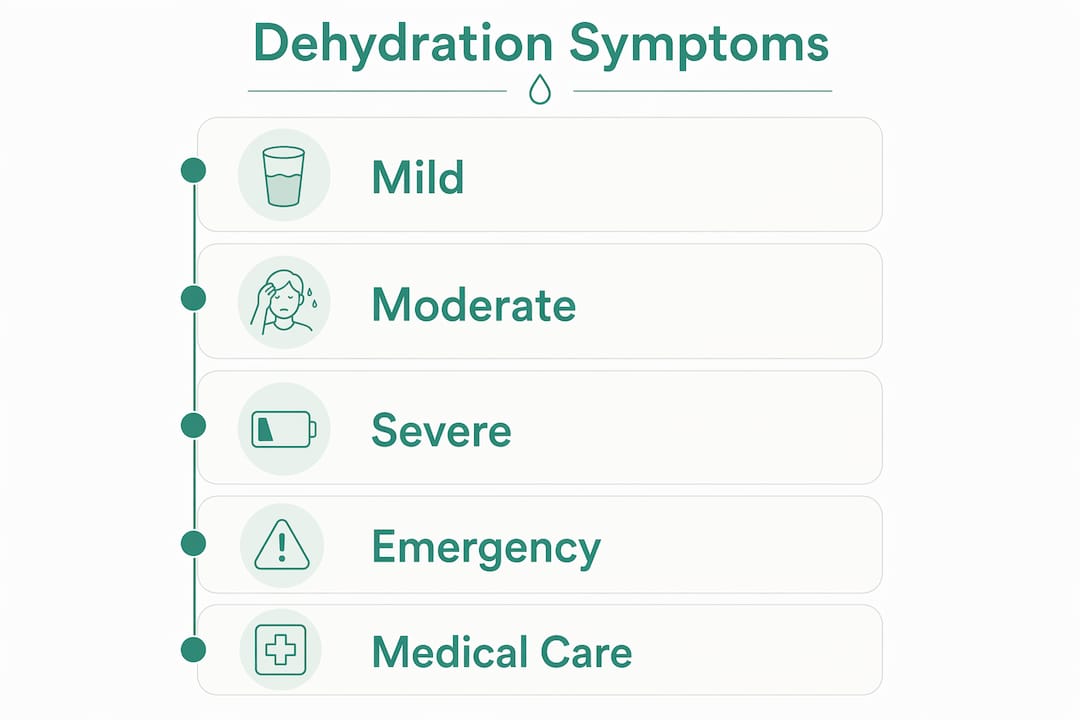
Early and moderate dehydration signs include:
- Thirst and dry mouth
- Headache or light-headedness
- Dark yellow urine
- Fatigue or low energy
- Reduced urination
- Difficulty concentrating
Severe dehydration escalates quickly and requires medical attention. Watch for rapid heartbeat, confusion, fainting, or a complete lack of urination. Children and infants show additional signs: no tears when crying, sunken eyes, and no wet diapers for three or more hours.
Organs take the hardest hit when dehydration becomes chronic. The kidneys are especially vulnerable, with underhydration raising the risk of kidney stones, urinary tract infections, and heatstroke. Good hydration also reduces the risk of urolithiasis, constipation, and is associated with lower rates of fatal coronary heart disease.
Practical habits that keep you consistently hydrated
Waiting until you are thirsty is a losing strategy. Proactive, regular sipping throughout the day keeps your fluid levels stable and your brain performing at its best.
Habits that actually work:
- Drink a glass of water with every meal and snack.
- Carry a 20–32 oz refillable bottle and aim to fill it multiple times daily.
- Set phone reminders if you tend to forget during busy stretches.
- Add sliced lemon, cucumber, or fresh mint to water if plain water feels unappealing.
- Eat water-rich foods: cucumbers, celery, berries, melons, and leafy greens all contribute meaningfully.
- Increase intake during illness, heat exposure, or exercise without waiting for thirst to prompt you.
One caution worth knowing: drinking too much plain water during prolonged exercise can dilute blood sodium and trigger hyponatremia, a dangerous condition marked by confusion, nausea, and muscle spasms. Triathletes and marathon runners face this risk most often. Pairing water with electrolyte-rich foods or drinks during extended activity keeps sodium levels stable. The role of hydration in detox and heat emergencies underscores why balance matters as much as volume.
Hydration sources beyond plain water

Water is the best default, but it is far from your only option. All beverages containing water count toward your daily total.
| Source | Benefit | Consideration |
|---|---|---|
| Plain water | Calorie-free, zero sugar | Best all-purpose choice |
| Low-fat milk | Electrolytes, protein | Moderate calories |
| Herbal tea | Hydrating, antioxidants | Avoid added sugar |
| Coconut water | Natural electrolytes | Add a pinch of salt for exercise |
| Sports drinks | Replaces sodium and chloride | Often high in sugar; use during intense activity |
| Fruits and vegetables | Water plus fiber and micronutrients | Excellent complement to beverages |
Caffeine deserves a nuanced read. Caffeinated drinks do cause some fluid loss through urination, but over the course of a day they still contribute net fluid. The bigger issue is that caffeine can cause headaches and dizziness in some people and is not a reliable hydration tool during intense heat or exercise. Replacing sugar-sweetened beverages with water cuts total daily calorie intake by 10–13%, which carries its own long-term health benefits.
What recent science says about hydration and your brain
The research picture on hydration and cognition has sharpened considerably. Mild dehydration does not just make you thirsty. It measurably impairs memory, attention, and mood, particularly in warm conditions, and the decline starts before most people notice anything is wrong.
Key findings worth knowing:
- Drinking water can temporarily increase metabolic rate, supporting energy production.
- Dehydration stalls fat metabolism and reduces energy availability, which explains the afternoon slump many people attribute to poor sleep or diet.
- Electrolytes, specifically sodium, potassium, and chloride, carry electrical charges that govern how water moves between cells. Ignoring them during prolonged activity can cause hyponatremia even when total fluid intake looks adequate.
- Sports hydration should include sodium and chloride to replace sweat losses and support muscle and nerve function.
- Experts now emphasize personalized hydration strategies over fixed rules, using urine color, body weight changes, and activity context as guides.
Statistic to remember: A body water loss of just 1–3% impairs mood and memory, and a 2% loss can reduce endurance performance by up to 20% in heat. Thirst does not reliably signal that loss until it has already happened.
Key Takeaways
Consistent, proactive hydration protects cognitive performance, organ health, and physical endurance, and the right amount depends on your body, activity level, and environment.
| Point | Details |
|---|---|
| Thirst is a late signal | By the time you feel thirsty, cognitive performance and mood have already declined. |
| Daily targets are personal | Daily fluid intake targets vary by individual and should be adjusted according to factors such as activity and climate. |
| Dehydration hits kidneys hard | Chronic underhydration raises the risk of kidney stones, urinary tract infections, and heatstroke. |
| Electrolytes matter as much as volume | Sodium, potassium, and chloride govern how water moves into cells; plain water alone is not enough during prolonged exercise. |
| Swapping sugary drinks helps | Replacing sugar-sweetened beverages with water reduces daily calorie intake by 10–13%. |
Not sure if your symptoms are dehydration or something else? Peacehealthai's AI-powered symptom checker lets you describe what you are feeling and get instant, personalized guidance on your next steps, without a waiting room. Whether you are tracking recurring headaches, fatigue, or other patterns over time, Peacehealthai's symptom history and health analytics help you spot trends before they become problems.