
Food poisoning and a stomach bug share a miserable overlap of symptoms, but they are two distinct illnesses with different causes, timing, and recovery paths. The fastest way to tell them apart: if symptoms hit within a few hours of eating something suspicious, food poisoning is the likely culprit. If you started feeling sick about a day or two after being around someone who was ill, you are probably dealing with a viral stomach bug.
Here is a quick orientation before the details:
- Cause: Food poisoning comes from bacteria (like Salmonella or E. coli), parasites, or toxins in contaminated food or water. A stomach bug is almost always viral, most commonly norovirus.
- Onset: Food poisoning symptoms appear within 2–6 hours of eating. Stomach bug symptoms take 24–48 hours to develop after exposure.
- Duration: Food poisoning typically clears within 24–48 hours. A stomach bug tends to linger for 3–7 days.
- Shared symptoms: Nausea, vomiting, diarrhea, and sometimes fever show up in both.
- Key differentiator: Bloody diarrhea points strongly toward bacterial food poisoning, not a viral stomach bug.
What actually causes food poisoning vs a stomach bug?
The root cause is where these two illnesses split cleanly. Food poisoning stems from contaminated food or water, while a stomach bug is a viral infection spread from person to person.
Food poisoning culprits include:
- Salmonella: Found in raw poultry, eggs, and unpasteurized dairy. One of the most common bacterial causes in the United States.
- E. coli: Particularly dangerous strains like O157:H7 cause severe, often bloody diarrhea and stomach cramps.
- Listeria: Linked to deli meats, soft cheeses, and smoked fish. Especially dangerous for pregnant people and older adults.
- Staphylococcus aureus: Produces toxins in food left at room temperature too long. Symptoms hit fast, often within 1–2 hours.
- Parasites and toxins: Less common in the U.S., but Giardia and Cryptosporidium can contaminate water supplies.
Stomach bug culprits include:
- Norovirus: The dominant cause of viral gastroenteritis in the U.S. Spreads aggressively through direct contact, contaminated surfaces, and shared food or drink.
- Rotavirus: More common in young children. Vaccines have reduced its prevalence significantly.
- Transmission route: Unlike food poisoning, stomach bugs spread person to person. You touch a surface a sick person touched, then touch your mouth, and the virus is in.
The practical implication: if everyone at the same dinner gets sick within a few hours, food poisoning is almost certainly the cause. If you got sick two days after visiting a friend who had the same symptoms, that is a stomach bug.
How symptom timing helps you figure out which illness you have
Timing is the single most reliable clue when symptoms overlap. Food poisoning comes on fast, typically 2–6 hours after eating contaminated food, and usually resolves within 24–48 hours. A stomach bug incubates for 24–48 hours before symptoms appear and can drag on for 3–7 days.
Food poisoning onset and duration:
- Symptoms typically begin within a few hours of eating (though some bacteria like Listeria can take longer to appear)
- Most cases resolve within 24–48 hours
- The rapid onset often makes the source meal easy to identify
Stomach bug onset and duration:
- Symptoms generally appear 24–48 hours after exposure to the virus
- Illness typically lasts 3–7 days
- The delayed onset makes it harder to pinpoint exactly where you picked it up
Cleveland Clinic family medicine physician Dr. Donald Ford puts it plainly: if you sat down at a picnic and multiple people got sick from the same food, that is food poisoning. If you were around someone with similar symptoms a day or two ago, that delay points to a stomach bug. Tracking exposure context, not just symptoms, is what separates the two.

Comparing symptoms side by side
Both illnesses produce overlapping misery, but the details differ in ways that matter clinically.

| Food poisoning | Stomach bug (viral gastroenteritis) | |
|---|---|---|
| Cause | Bacteria, parasites, or toxins in food/water | Virus (primarily norovirus or rotavirus) |
| Symptom onset | 2–6 hours after eating | 24–48 hours after exposure |
| Duration | 24–48 hours | 3–7 days |
| Common symptoms | Nausea, vomiting, diarrhea, stomach cramps | Nausea, vomiting, diarrhea, fatigue |
| Bloody diarrhea | More common, especially with bacterial infection | Rare |
| Fever and chills | Possible, more common with bacterial types | More frequent and often more pronounced |
| Muscle aches, headache | Less common | Common, often due to dehydration |
| Treatment approach | Hydration, rest, discard suspect food | Hydration, rest, hand hygiene |
Bloody diarrhea is a red flag for bacterial food poisoning and rarely occurs with a viral stomach bug. When blood or mucus appears in stool, that signals a more aggressive infection that often needs medical evaluation. On the other side, systemic symptoms like muscle aches, fatigue, and a persistent low-grade fever tend to be more pronounced with viral gastroenteritis, partly because the virus runs a longer course and partly because dehydration compounds those effects.
When you need to see a doctor
Most cases of both illnesses resolve without medical intervention. But certain signs mean you should not wait it out at home.
Seek medical care immediately if you experience:
- High fever: A strong indicator of a serious bacterial infection, per CDC guidance on food poisoning
- Bloody diarrhea: Blood or mucus in stool may require stool testing and antibiotics
- Signs of dehydration: Dizziness, confusion, significantly reduced or dark urine output, or inability to keep fluids down
- Severe abdominal pain: Persistent or debilitating cramping that does not ease
- Diarrhea lasting more than 3 days: Warrants evaluation regardless of the cause
- Vomiting that prevents any fluid intake: Creates rapid dehydration risk
High-risk groups who should contact a provider sooner:
- Children under 5 and adults over 65
- Pregnant individuals (Listeria poses serious risks to the fetus)
- People who are immunocompromised or on medications that suppress immune response
Dr. Ford's guidance from Cleveland Clinic is worth repeating here: if symptoms have not improved after 48 hours, or if they are getting worse rather than better, call your doctor's office and talk through what you are experiencing. You do not always need an emergency room visit, but you do need a professional assessment. For people managing gastrointestinal symptoms alongside other digestive conditions, understanding when to escalate care can prevent complications from compounding.
How to recover at home from food poisoning or a stomach bug
The treatment for both conditions is essentially the same: hydration and rest. Neither illness typically requires medication, and in some cases, anti-diarrheal drugs can actually make things worse.
Practical recovery steps:
- Hydrate aggressively with electrolyte fluids. Plain water helps, but oral rehydration solutions like Pedialyte replace the sodium and potassium your body loses through vomiting and diarrhea. Sip frequently rather than drinking large amounts at once.
- Rest. Your immune system does its best work when you are not pushing through a normal day.
- Avoid anti-diarrheal medications unless a doctor advises them. The body uses vomiting and diarrhea to clear pathogens, and stopping that process prematurely can prolong bacterial infections, especially those causing bloody diarrhea.
- Eat bland foods when your appetite returns. Toast, crackers, bananas, and plain rice are easy on an irritated digestive tract. Avoid fatty, fried, or heavily spiced foods until you feel fully recovered.
- Discard suspect food immediately. If food poisoning is the likely cause, throw out anything that may have been contaminated and sanitize surfaces, cutting boards, and utensils that came into contact with it.
- Wash hands thoroughly. For stomach bugs, hand hygiene is the primary prevention tool. Wash with soap and water for at least 20 seconds, especially after using the bathroom and before handling food.
For people dealing with ongoing digestive sensitivity, holistic approaches to gut health can support recovery and reduce flare-up risk after an acute illness passes.
How Peacehealthai can help you figure out what you have
When symptoms hit and you are not sure whether you are dealing with food poisoning or a stomach bug, Peacehealthai's AI-powered symptom checker gives you a fast, structured way to assess what you are experiencing. You describe your symptoms in detail, including when they started, what you ate, and who you have been around, and the tool analyzes that input to suggest the most likely cause and your best next steps.
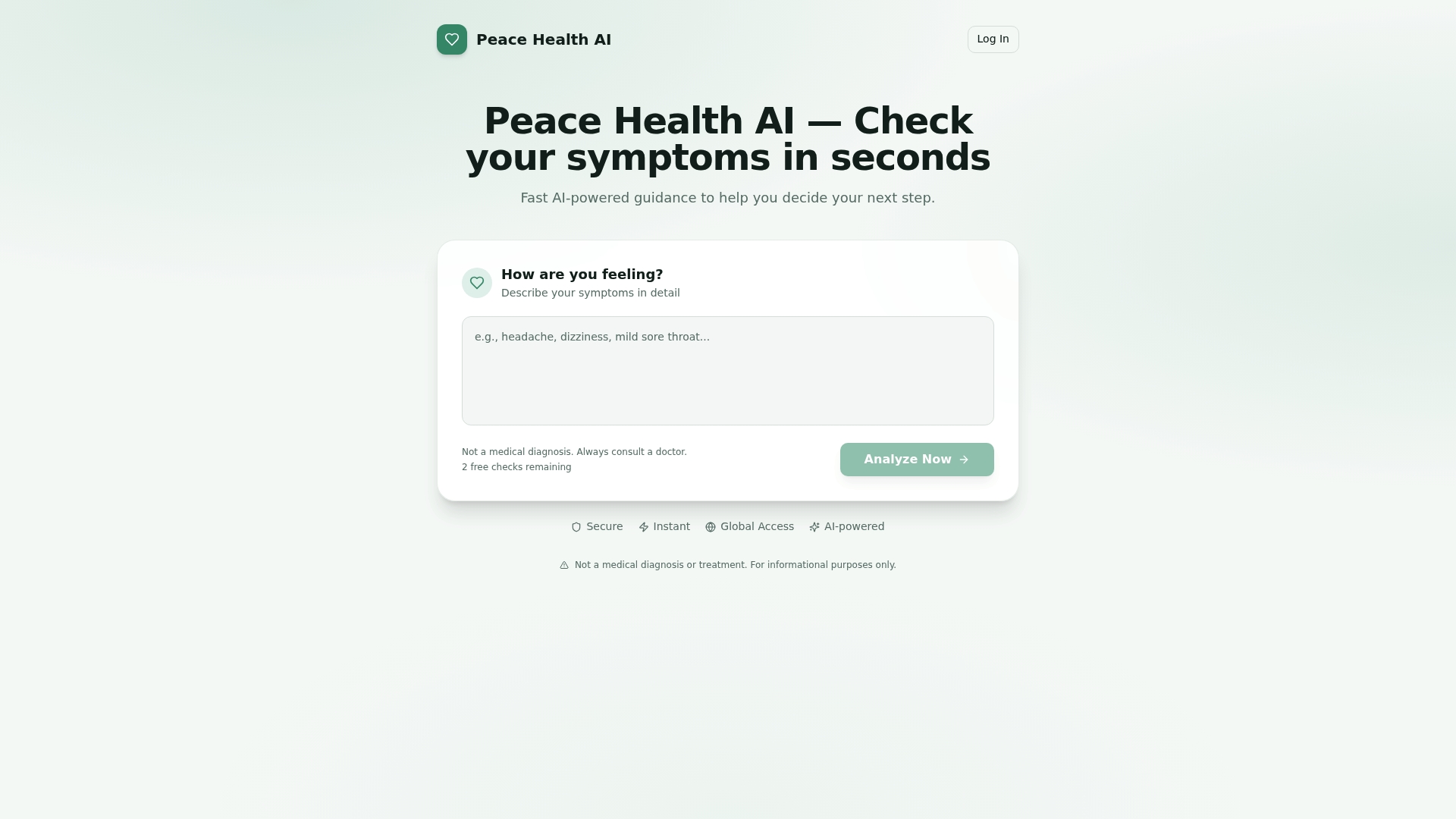
The features available through Peacehealthai go beyond a one-time check. Symptom history tracking lets you monitor how your condition changes over time, which is useful when you are trying to determine whether symptoms are improving or worsening. Daily AI-generated health insights, early alerts for repeated symptom patterns, and a health score give you a fuller picture of what your body is doing. For anyone managing a current illness or trying to prevent future ones, the platform's goal-based coaching covers hydration, nutrition, and wellness targets.
Pro Tip: Use an AI symptom checker as a first-pass triage tool, not a replacement for medical care. If Peacehealthai flags high-risk signs like bloody diarrhea, a fever above 102°F, or signs of dehydration, treat that as a prompt to contact a healthcare provider the same day.
Who is most at risk from food poisoning and stomach bugs?
Not everyone faces the same level of danger from these illnesses. Certain groups are significantly more vulnerable to complications, particularly dehydration and severe infection.
Higher-risk populations for food poisoning:
- Pregnant people: Listeria infection during pregnancy can cause miscarriage, stillbirth, or serious illness in newborns. The CDC specifically flags deli meats, soft cheeses, and smoked fish as high-risk foods.
- Older adults: Immune response weakens with age, and dehydration sets in faster. Adults over 65 are more likely to need hospitalization.
- Young children: Smaller body mass means fluid loss from vomiting and diarrhea becomes dangerous more quickly.
- Immunocompromised individuals: People on chemotherapy, organ transplant recipients, or those with HIV/AIDS face higher risk of severe bacterial infection from pathogens like Salmonella and E. coli.
Higher-risk populations for stomach bugs:
- Children in group settings: Norovirus spreads rapidly in schools, daycare centers, and camps where hand hygiene is inconsistent.
- Residents of long-term care facilities: Outbreaks of norovirus in nursing homes can move through an entire facility within days.
- Cruise ship passengers and travelers: Close quarters and shared surfaces accelerate viral transmission.
Shared risk factors for both illnesses:
- Eating at large gatherings where food sits out for extended periods
- Traveling internationally, where water and food safety standards differ
- Working in food service or healthcare settings with high exposure to pathogens
- Living with or caring for someone who is currently sick
Dehydration is the most serious complication for both conditions across all age groups. For high-risk individuals, it can escalate from uncomfortable to dangerous within hours, which is why early and aggressive fluid replacement is the first line of defense regardless of which illness is causing symptoms.
Key Takeaways
Food poisoning and stomach bugs share symptoms but differ in cause, onset timing, and duration, and those differences determine your recovery strategy.
| Point | Details |
|---|---|
| Onset timing is the key clue | Food poisoning hits within 2–6 hours of eating; a stomach bug takes 24–48 hours to develop after exposure. |
| Duration differs significantly | Food poisoning typically resolves in 24–48 hours; stomach bugs last 3–7 days. |
| Bloody diarrhea signals food poisoning | Blood or mucus in stool points to bacterial infection and usually requires medical evaluation. |
| Hydration is the core treatment | Both illnesses are managed with electrolyte fluids and rest; avoid anti-diarrheal medications unless a doctor advises them. |
| High-risk groups need faster care | Pregnant people, children, adults over 65, and immunocompromised individuals should contact a provider sooner if symptoms worsen. |