
Mild illness symptoms above the neck — a runny nose, light sneezing, a scratchy throat — generally do not require you to skip your workout. Mayo Clinic guidelines confirm that light to moderate activity is usually safe when symptoms stay above the neck and no fever is present. The key is scaling back intensity and paying close attention to how your body responds.

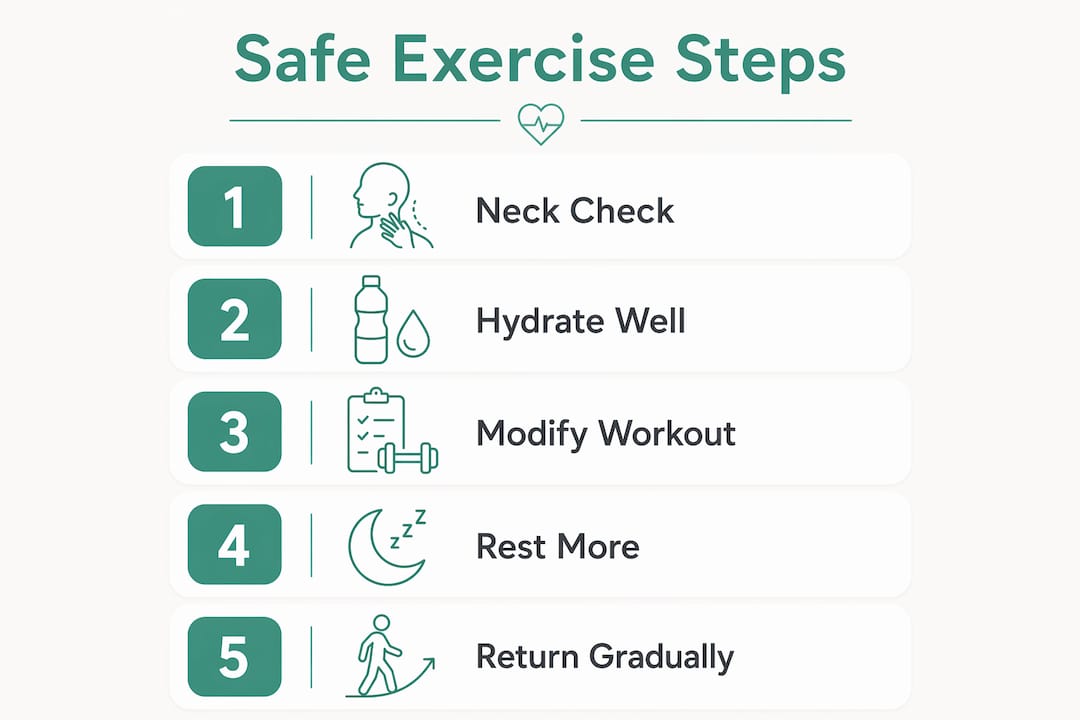
The "neck check" rule is the simplest decision tool available. If your symptoms are above the neck, a gentle workout is likely fine. If they are below the neck — chest tightness, body aches, deep fatigue, or gastrointestinal distress — rest wins every time.
When it is generally safe to exercise with mild illness:
- Symptoms are limited to a runny nose, mild sneezing, or a light sore throat
- No fever (no fever)
- Energy levels feel close to normal
- You can comfortably hold a conversation while moving
- You plan to reduce intensity and cut the session short if needed
Expect less from yourself during these sessions. The goal shifts from performance to gentle movement, and that shift matters for recovery.
Symptoms that mean you should skip the gym entirely
Some symptoms are clear signals to rest, not push through. Fever at or above 100.4°F is the most important one. Exercising with a fever raises your core body temperature further, stresses the cardiovascular system, and can suppress immune function at exactly the wrong moment.
Stop and rest if you have any of the following:
- Fever
- Body aches or muscle soreness beyond normal workout fatigue
- Chest congestion, tightness, or a hacking cough
- Severe fatigue or weakness
- Nausea, vomiting, or diarrhea
- Dizziness or difficulty breathing
High-intensity exercise while sick acts as an additional stressor your immune system cannot handle effectively, which can prolong illness and raise the risk of complications. When in doubt, consult a healthcare provider before lacing up your shoes.
How to safely modify your workout when you feel mildly ill
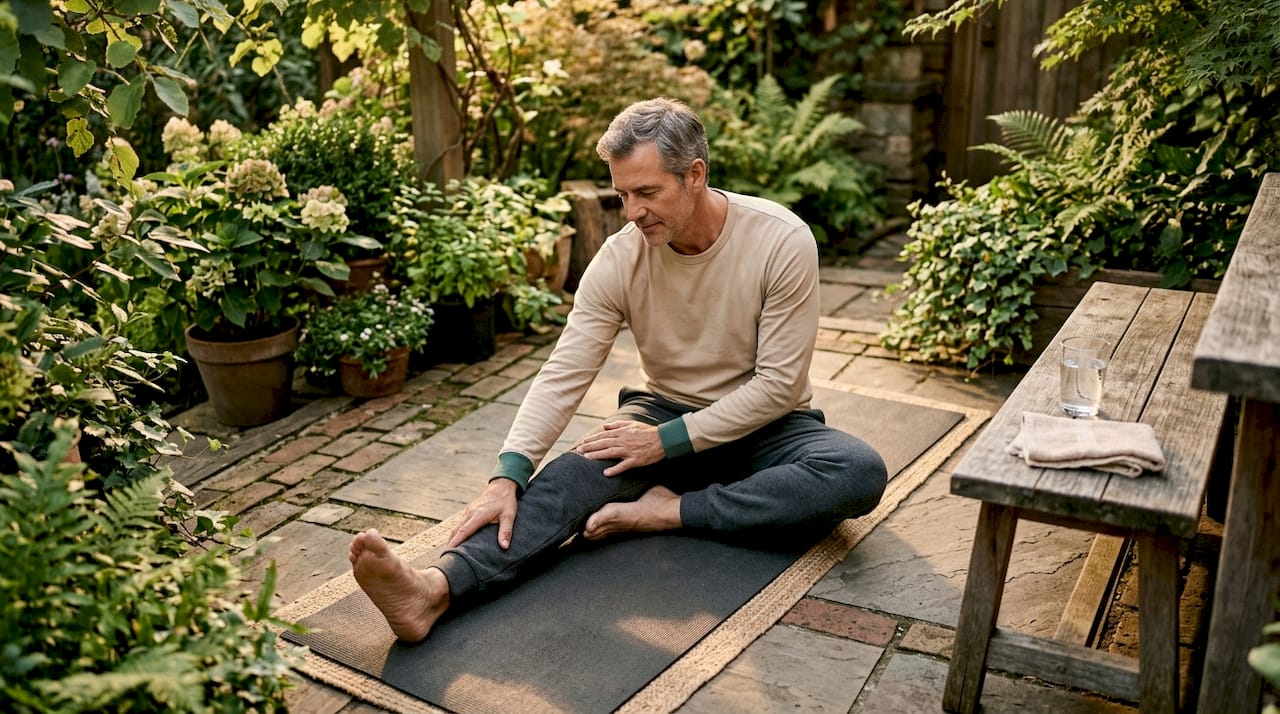
The biggest mistake people make is treating a sick-day workout like a regular one. Cut your session length significantly and drop intensity well below your usual effort. Walking, gentle cycling, and yoga are far better choices than running intervals or heavy lifting.
Practical modifications for working out with a cold:
- Replace high-intensity cardio with a 20–30 minute walk at a comfortable pace
- Swap weight training for light bodyweight movements or gentle yoga
- Avoid endurance sessions entirely; keep heart rate in a conversational zone
- Exercise at home or outdoors rather than a public gym to avoid spreading illness
- Stop immediately if symptoms worsen, dizziness appears, or fatigue spikes
Pro Tip: If you take decongestants or cough suppressants before a workout, be aware that certain cold medications can cause dizziness or impair coordination, raising your injury risk. Adjust accordingly or skip the session.
Light, gentle exercise during mild illness can improve circulation and support mental well-being without worsening symptoms, provided you scale back appropriately. The goal here is not fitness gains. It is keeping your body moving and your mood steady while your immune system does its work. For anyone managing a fitness routine alongside recovery, injury prevention principles that apply to tactical athletes translate directly: gradual load, honest self-assessment, and no ego.
Why hydration matters more than usual when you exercise while sick
Illness already increases fluid loss through sweating, a runny nose, and elevated body temperature. Add even a light workout on top of that, and dehydration risk climbs quickly. Dehydration worsens symptoms and reduces your tolerance for any physical activity, turning what should be a gentle session into a miserable one.
Hydration strategies before, during, and after a sick-day workout:
- Drink water before starting any activity
- Sip water consistently throughout; do not wait until you feel thirsty
- Consider a low-sugar electrolyte drink if you have been sweating or running a fever
- Rehydrate thoroughly after finishing, prioritizing fluids over food if appetite is low
Rest and hydration work together. Cutting a workout short and spending that extra time sleeping or resting horizontally does more for recovery than grinding through another 20 minutes. Monitor your resting heart rate as a simple recovery marker: an elevated resting heart rate compared to your personal baseline signals ongoing physiological stress, even when you feel reasonably okay.
How to return to normal training after illness
Wait until fever and all below-the-neck symptoms have fully cleared before resuming your regular training schedule. One symptom-free day is not enough. Give your body at least 24–48 hours of feeling genuinely well before you push intensity back up.
A safe return-to-exercise approach:
- Start your first session back at a reduced intensity and volume, increasing gradually over several days
- Increase load progressively over several days, not all at once
- Watch resting heart rate and energy levels as objective guides
- Do not stress over missed sessions; fitness returns faster than most people expect
- Consult a healthcare provider if symptoms return or worsen when you resume training
Jumping back to full intensity too soon is one of the most common reasons people relapse or pick up an overuse injury after illness. Your cardiovascular fitness drops very little in one to two weeks of rest. The mental pressure to "make up" lost training is real, but acting on it too quickly costs more time than it saves.
Nutrition that supports exercise and recovery when you are sick
Food choices during illness directly affect how well your body handles even gentle activity. Protein supports immune cell production, so keeping intake consistent matters even when appetite drops. Prioritize easy-to-digest sources like eggs, Greek yogurt, chicken broth, or a protein shake if solid food feels unappealing.
Zinc and vitamin C appear frequently in immune-support research, and both are easy to get from whole foods: citrus fruits, bell peppers, nuts, and seeds. Anti-inflammatory foods like ginger, turmeric, and leafy greens can help manage the low-grade inflammation that comes with most respiratory illnesses. Avoid heavily processed foods and alcohol, both of which tax the immune system and worsen dehydration.
Carbohydrates remain your primary fuel for any movement, even a short walk. A small meal or snack containing both carbohydrates and protein about an hour before a gentle sick-day workout helps sustain energy without overwhelming digestion. After the session, prioritize recovery nutrition the same way you would after any workout, with the added emphasis on fluids.
Key Takeaways
Mild, above-the-neck illness symptoms generally allow for light exercise, but fever, body aches, or chest symptoms mean rest is the only right call.
| Point | Details |
|---|---|
| Use the neck check rule | Symptoms above the neck with no fever generally allow light activity; below the neck means rest. |
| Cut intensity and duration | Reduce session length and choose walking or yoga over running or lifting. |
| Hydrate more than usual | Illness raises fluid loss; drink consistently before, during, and after any activity. |
| Return gradually after illness | Start back at a reduced intensity and build up over several days. |
| Nutrition supports recovery | Prioritize protein, easy-to-digest carbohydrates, and anti-inflammatory whole foods during illness. |
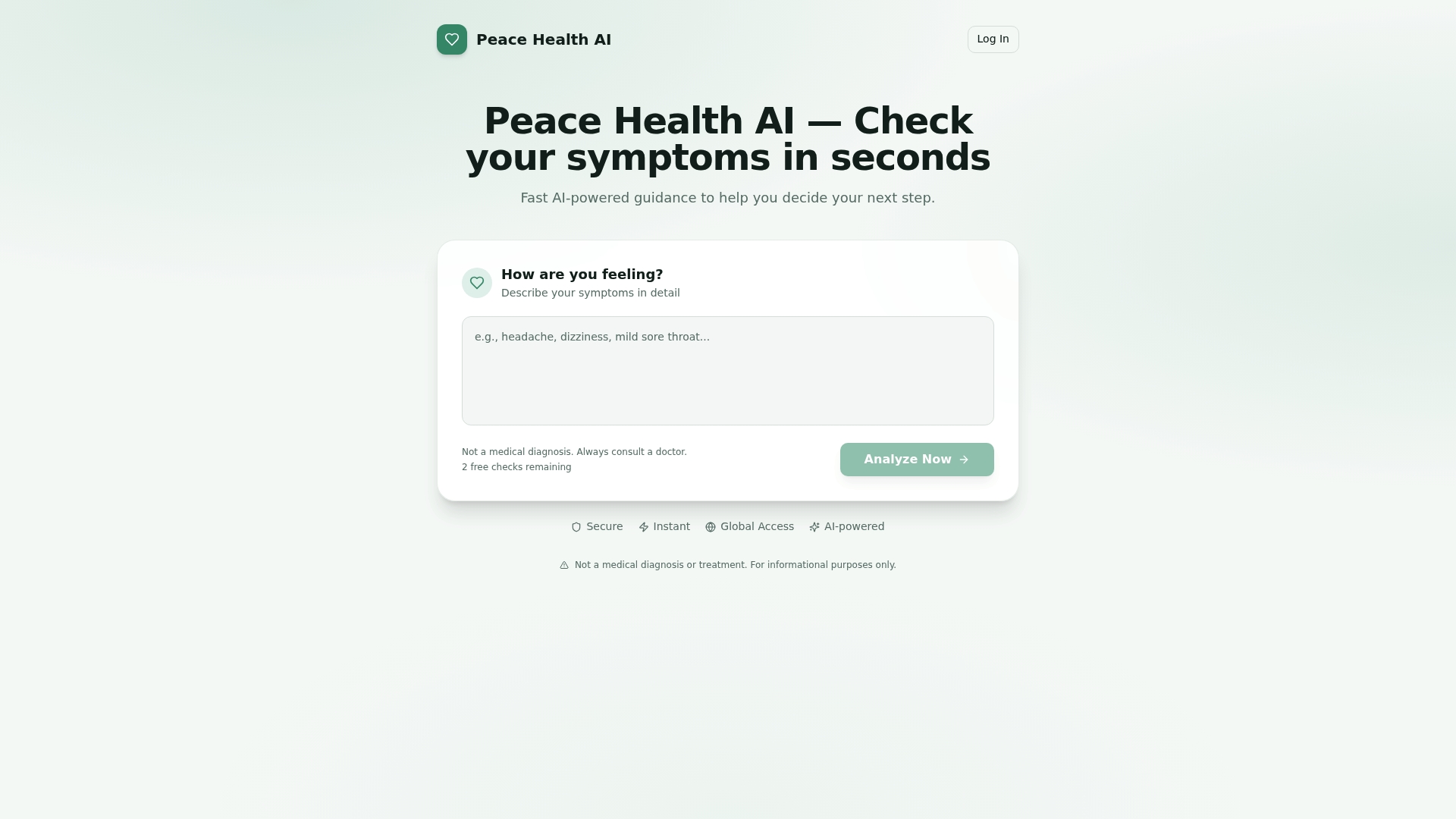
Unsure whether your symptoms are mild enough to exercise safely? Peacehealthai gives you instant, personalized guidance based on exactly what you are feeling, without the wait. The AI symptom checker lets you describe your symptoms in plain language and get clear next-step recommendations in seconds.
Peace Health AI does not replace professional medical advice. Always consult a qualified healthcare provider for diagnosis and treatment.